Backyard Obstacle Course for KidsFun outdoor play that builds strength, confidence, and coordination
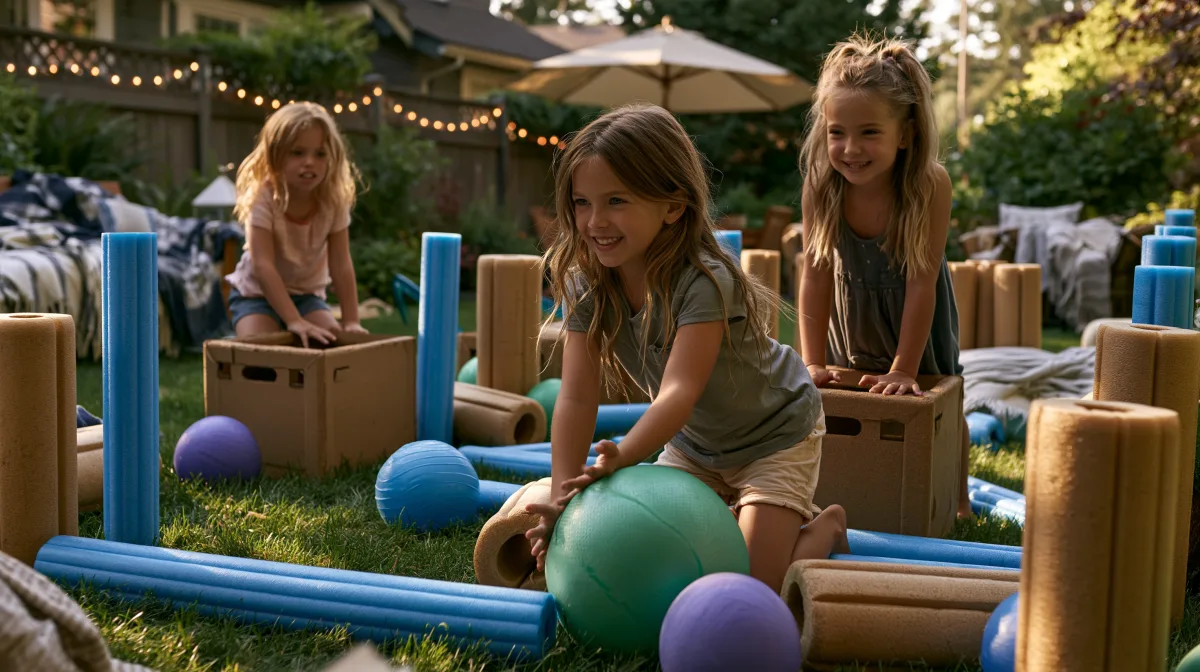
Children don’t need expensive playground equipment to have an exciting physical adventure. With a little creativity, your backyard, driveway, or even a small outdoor space can become an action-packed obstacle course.
For children ages 2 to 8, obstacle courses are more than just play—they’re a way to build balance, coordination, problem-solving skills, and confidence. Every jump, crawl, and turn becomes part of a bigger adventure.
Plan Ahead
You Will Need
- Sidewalk chalk or masking tape
- Cones, cups, or plastic bottles
- A rope or jump rope
- A hula hoop (optional)
- Soft balls or beanbags
- A timer or stopwatch (optional for older children)
- A safe, flat open space
- Water bottles for breaks
Safety Tip: Always choose a flat, safe surface and supervise children during active play. Adjust difficulty based on age and ability.
Step 1: Design Your Course Together
Start by looking at your available space together. Ask your child what challenges they want to include. A basic obstacle course might include 4–6 stations:
- Jump over a rope on the ground
- Run in a zigzag around cones
- Crawl under a table or rope
- Balance along a chalk line
- Toss a ball into a basket
- Spin in a circle before running to the finish
There is no right or wrong layout. The goal is movement, fun, and imagination.
Step 2: Build It Together
Let your child help set up each station. Place cones, draw lines with chalk, or arrange objects into challenges. A chair can become a tunnel. A rope can become lava to jump over. A hula hoop can become a magic portal.
Step 3: Demonstrate Each Challenge
Walk through the course slowly before starting. Show your child how to complete each station. Keep instructions simple and visual—children at this age learn best by watching and copying.
Step 4: Run the Course
Let your child go through at their own pace. Cheer them on as they move through each challenge. After they finish, celebrate together and invite them to try again or redesign the course.
Themed Obstacle Course Ideas
- Jungle Explorer — crawl under vines, jump over rivers, avoid wild animals
- Space Mission — hop between planets and land on Mars
- Pirate Adventure — search for hidden treasure and avoid sea monsters
- Superhero Training — practice jumping, flying, and speed-running like a hero
- Dinosaur Safari — tiptoe past sleeping dinosaurs and stomp like a T-Rex
What Children Learn
Obstacle courses build gross motor development (running, jumping, crawling), balance and coordination, listening and following instructions, confidence through movement, problem-solving, and creativity through imaginative play. Children also learn that movement and exercise can be joyful, not just structured or formal.
Make It a Family Event
Obstacle courses become even more fun when everyone joins in. Parents, siblings, and caregivers can take turns completing the course, help redesign the layout, and add new challenges together. Shared participation makes the experience more memorable and builds stronger family connection.
Frequently Asked Questions
How do I make a backyard obstacle course for kids?
Start by looking at your available outdoor space together with your child. Design 4–6 stations using everyday materials: jump over a rope on the ground, run in a zigzag around cones or plastic bottles, crawl under a rope strung between chairs, balance along a chalk line, and toss a ball into a basket. Let your child help set up each station — that involvement makes them more excited to play.
What materials do I need for a kids' obstacle course?
You don't need to buy anything special. Common materials include sidewalk chalk or masking tape for lines, plastic cups or bottles as cones, a jump rope, a hula hoop, soft balls or beanbags, and a safe flat surface. A timer or stopwatch is optional for older children who enjoy a friendly challenge.
What age is an obstacle course good for?
Obstacle courses are adaptable for children from age 2 through 8 and beyond. Toddlers aged 2–3 enjoy simple challenges like stepping over a rope or running to a target. Children aged 4–6 love themed courses and can handle more stations. Children aged 7–8 enjoy timing themselves, redesigning the course, and adding creative challenges.
How do I keep an obstacle course safe for toddlers?
Always choose a flat, hazard-free surface and supervise active play closely. Keep challenges low to the ground for very young children — stepping over, not jumping. Avoid hard or sharp objects. Adjust difficulty based on each child's ability and focus on fun rather than speed. Allow plenty of water breaks on warm days.
What does an obstacle course teach children?
Obstacle courses build gross motor development including running, jumping, and crawling, as well as balance and coordination, listening and following simple instructions, problem-solving, confidence through physical achievement, and endurance. When done with family, they also build teamwork and create shared memories around active play.
🌙 Keep the Adventure Going
After a day of exploring together, children often still have a little energy left—but their minds are full of stories. This is the perfect moment to shift from activity to calm connection.
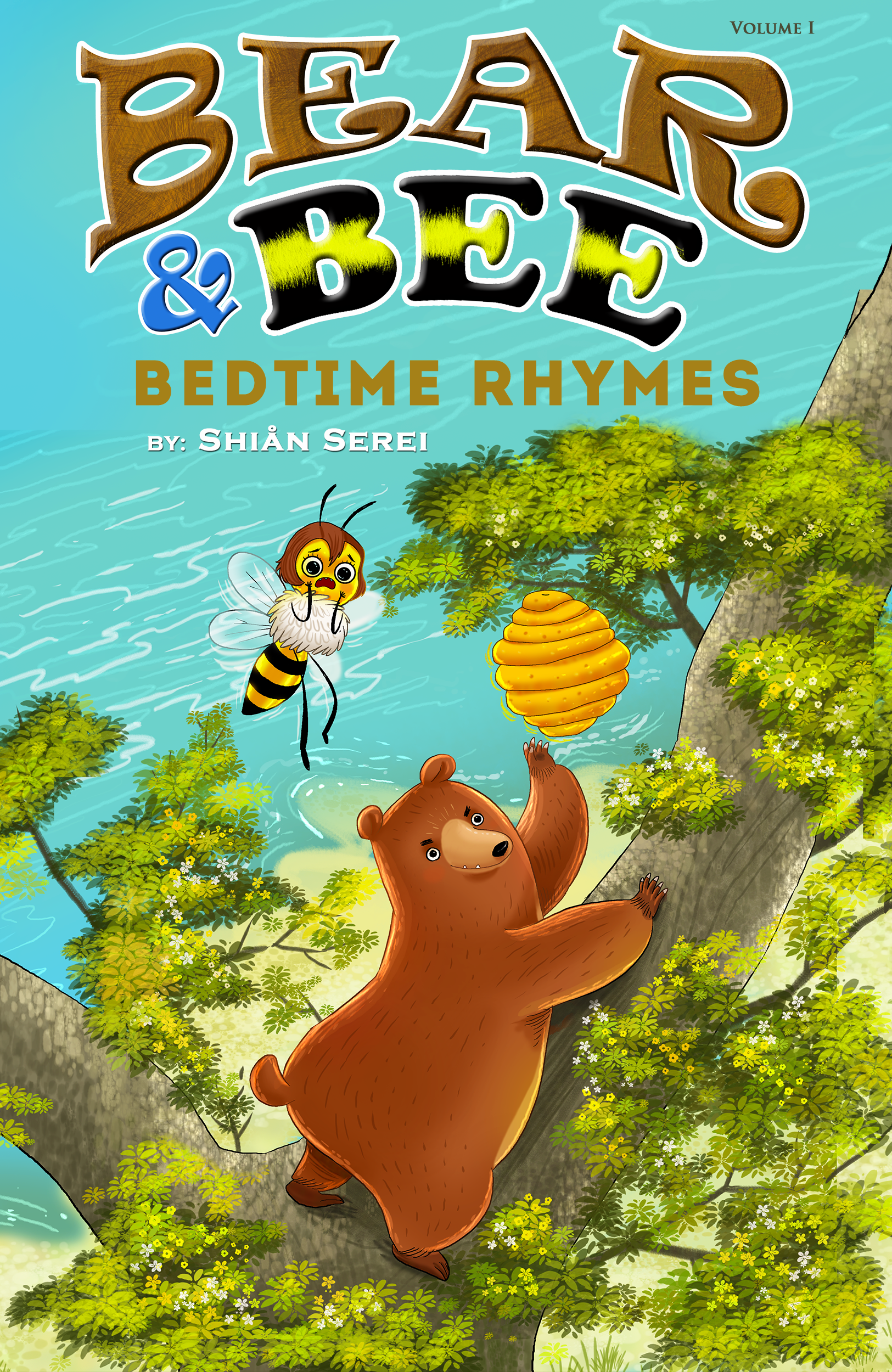
Bear & Bee Bedtime Rhymes — an interactive bedtime experience for phone, tablet, or print:
- A gentle story about the Bear and the Bee
- Simple rhymes that guide emotional wind-down
- Light games for children who need a little engagement before sleep
- Soft music designed to transition energy toward rest
The day doesn’t end when the activity stops—it ends when the story gently begins.
More Activities for Children Ages 2–8
- 🌿 Nature Scavenger Hunt for Kids — outdoor exploration and curiosity
- 🏠 Blanket Fort Building — indoor imaginative play
- 🍓 Easy Cooking Activities for Kids — simple kitchen fun
- 🏃 Backyard Obstacle Course — active outdoor play
- 🎨 Rock Painting for Kids — creative outdoor art