Nature Scavenger Hunt for KidsA fun outdoor activity that builds curiosity
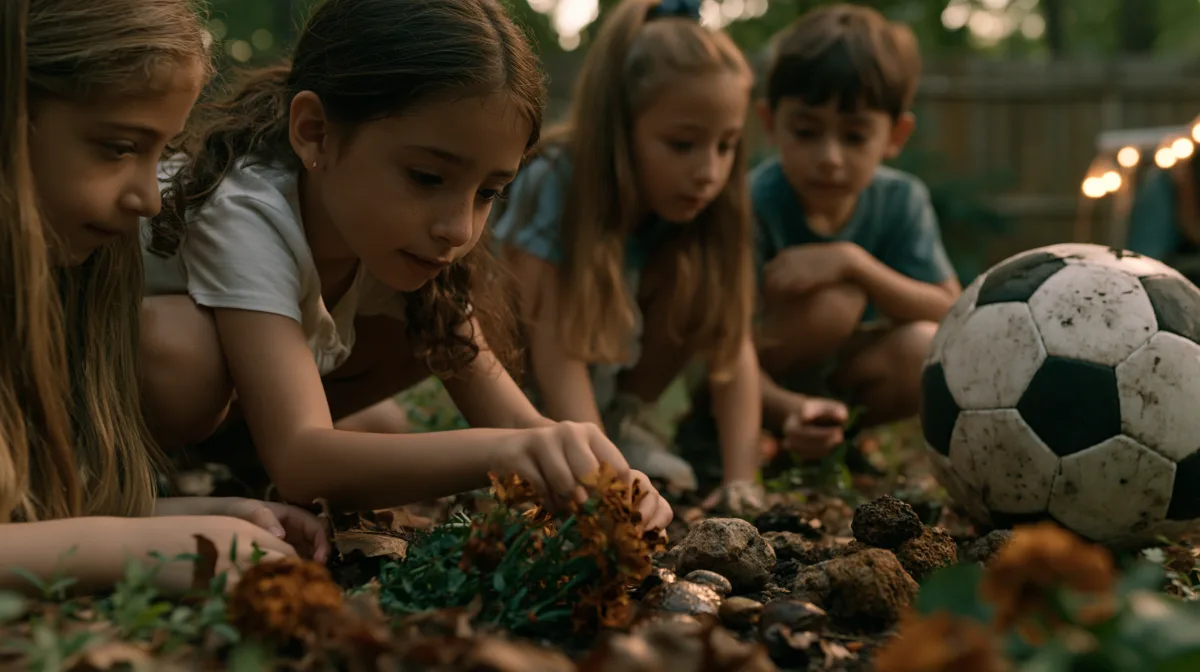
Getting children excited about the outdoors doesn’t require expensive toys or elaborate plans. Sometimes the greatest adventures begin with a simple walk and a curious mind.
A nature scavenger hunt transforms an ordinary trip to the park, a walk around the neighborhood, or even your own backyard into an exciting treasure hunt. Children ages 2 to 8 naturally love discovering new things, and this activity encourages them to slow down, observe the world around them, and appreciate the little wonders that are often overlooked.
Best of all, there are no winners or losers. Every child explores at their own pace, making this an enjoyable activity for families of all ages and abilities.
Plan Ahead
You Will Need
- Comfortable shoes
- A small basket, paper bag, or reusable tote for collecting treasures
- Water bottles
- Sunscreen or hats if it’s sunny
- Weather-appropriate clothing
- An optional printed scavenger hunt checklist
- A camera or phone if you’d rather take pictures instead of collecting items
Create Your Scavenger Hunt List
Before heading outside, explain that the goal isn’t to finish quickly—it’s to discover as many interesting things as possible.
Try finding:
- A feather
- A smooth rock
- A pinecone
- A flower
- A leaf bigger than your hand
- Something yellow
- Something that smells nice
- Something rough and something soft
- An insect
- A bird or a butterfly
- A cloud shaped like something fun
- A tree with interesting bark
For younger children, simply pointing at each item counts as a successful find. Older children may enjoy collecting fallen treasures or taking photographs of everything they discover.
Step-by-Step Adventure
1. Let Your Child Lead
Instead of deciding where to walk, let your child choose which path looks the most interesting. Following their curiosity often leads to unexpected discoveries.
2. Slow Down
Children naturally notice details adults often miss. Pause often. Look under bushes, examine tree bark, watch insects crawl across the ground, and listen for birds singing overhead.
3. Ask Open-Ended Questions
Rather than providing answers, encourage thinking. Ask questions like:
- Which leaf feels the softest?
- Why do you think this rock is so smooth?
- What animal might live here?
- Can you find something smaller than your thumb?
4. Celebrate Every Discovery
Avoid turning the activity into a competition. Instead, celebrate every interesting find with excitement. Children remember how an activity made them feel far longer than whether they “finished” it.
Fun Variations to Try
- Rainbow Hunt — find one object for every color of the rainbow
- Texture Hunt — search for smooth, bumpy, fuzzy, rough, and soft things
- Sound Hunt — close your eyes for one minute and count different sounds
- Shape Hunt — find circles, triangles, and unusual patterns in nature
- Photography Challenge — take photos instead of collecting, perfect for protected areas
What Children Learn
While children think they’re simply exploring, they’re building valuable skills: observation and attention to detail, curiosity about the natural world, problem-solving, early science thinking, fine motor development, confidence through independent discovery, and respect for nature.
Perhaps most importantly, children learn that adventure doesn’t require screens or expensive entertainment. Sometimes all it takes is stepping outside together.
Safety Tips
- Stay on marked paths whenever possible
- Avoid touching unknown plants, mushrooms, or insects
- Leave animal homes undisturbed
- Wash hands after handling natural objects
- Bring water, especially on warm days
- Teach children to admire wildlife from a respectful distance
Remember the old saying: “Take only memories, leave only footprints.”
After the Hunt
Spread your collected treasures on a table and invite your child to sort them by color, size, texture, or shape. They can create nature art, tell stories about their discoveries, or draw pictures inspired by everything they found. Every small adventure builds a larger world of curiosity—one walk at a time.
Frequently Asked Questions
What age is a nature scavenger hunt suitable for?
Nature scavenger hunts work beautifully for children from age 2 through 8 and beyond. Toddlers aged 2–3 enjoy spotting simple objects like rocks, leaves, and flowers with a grown-up guiding them. Children aged 4–6 can follow a picture-based checklist independently, while children aged 7–8 enjoy more detailed lists, photography challenges, and creative variations like rainbow hunts or texture hunts.
What should I put on a nature scavenger hunt list for kids?
A good list for young children includes a mix of easy finds (a rock, a leaf, a flower) and slightly harder discoveries (an insect, something yellow, a cloud shaped like something fun). Keep it to 10–15 items for younger children. You can adjust difficulty by describing items visually or using pictures for pre-readers.
Can I do a nature scavenger hunt in my own backyard?
Absolutely. A backyard, neighborhood sidewalk, local park, or school playground all work well. The activity doesn't require a forest or nature trail — even a small garden has more than enough to discover. Some of the most memorable scavenger hunts happen just steps from the front door.
How long does a nature scavenger hunt take?
Most family nature scavenger hunts last between 20 minutes and one hour, depending on your child's age and energy level. Younger children often enjoy a short 15–20 minute walk, while older children may want to extend the adventure for longer. The beauty of this activity is that there's no fixed endpoint — you stop when everyone's happy.
What skills do children develop during a nature scavenger hunt?
Nature scavenger hunts support observation and attention to detail, early science curiosity, fine motor development, problem-solving, patience, and vocabulary building. Children also practice following simple instructions and build confidence through independent discovery. Most importantly, they learn that the natural world is full of wonder that doesn't require a screen to explore.
🌙 Keep the Adventure Going
After a day of exploring together, children often still have a little energy left—but their minds are full of stories. This is the perfect moment to shift from activity to calm connection.
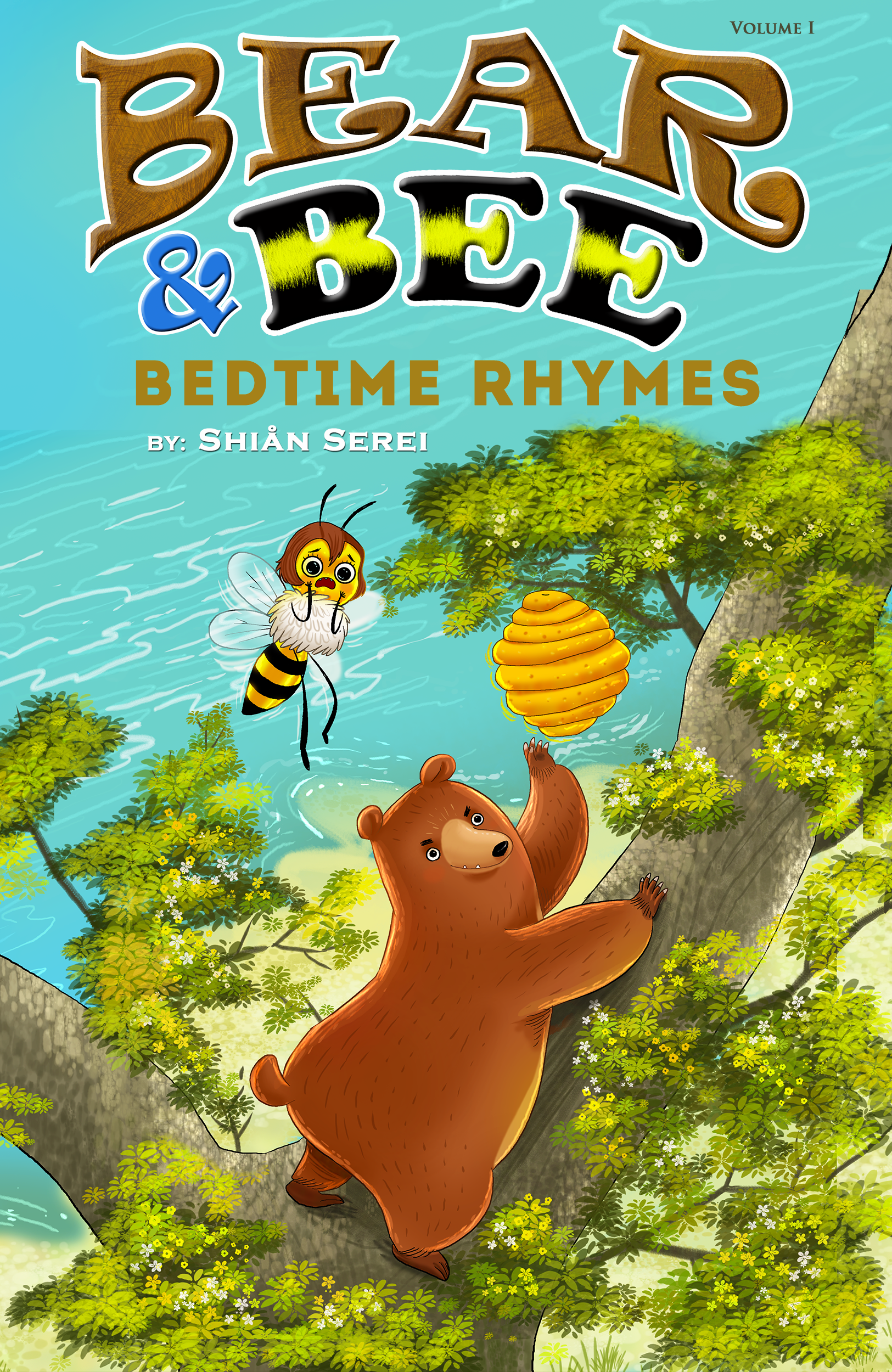
Bear & Bee Bedtime Rhymes — an interactive bedtime experience for phone, tablet, or print:
- A gentle story about the Bear and the Bee
- Simple rhymes that guide emotional wind-down
- Light games for children who need a little engagement before sleep
- Soft music designed to transition energy toward rest
The day doesn’t end when the activity stops—it ends when the story gently begins.
More Activities for Children Ages 2–8
- 🌿 Nature Scavenger Hunt for Kids — outdoor exploration and curiosity
- 🏠 Blanket Fort Building — indoor imaginative play
- 🍓 Easy Cooking Activities for Kids — simple kitchen fun
- 🏃 Backyard Obstacle Course — active outdoor play
- 🎨 Rock Painting for Kids — creative outdoor art