Easy Cooking Activities for KidsSimple kitchen fun for ages 2–8 that builds confidence
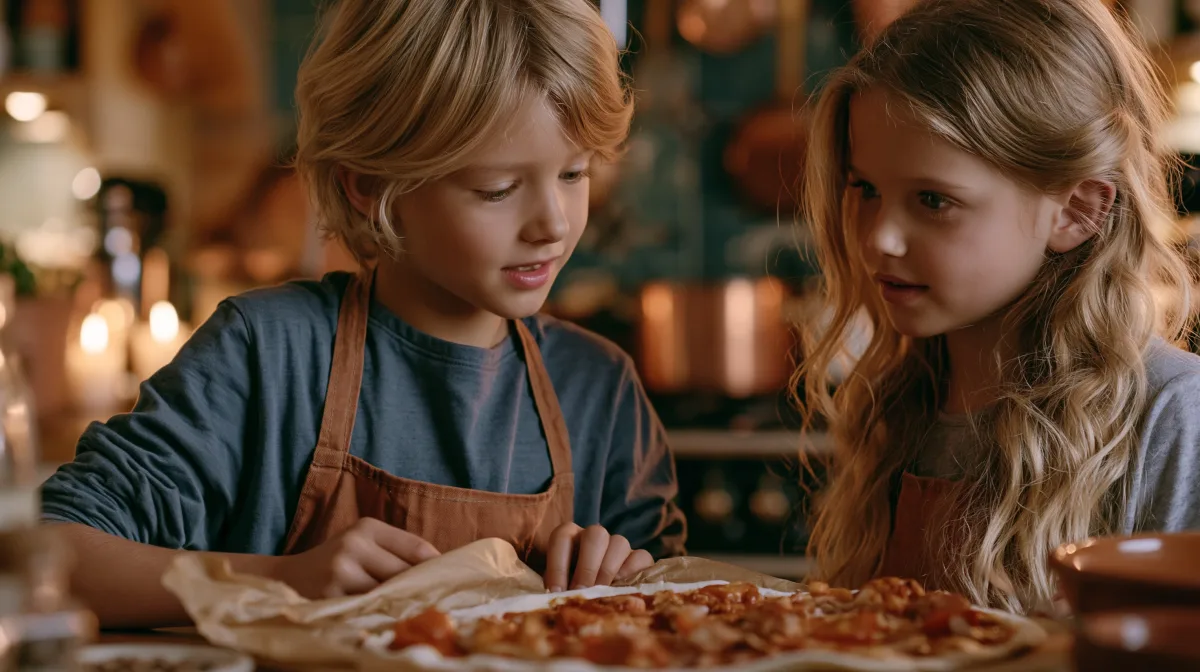
The kitchen is one of the most powerful learning spaces in a home. It’s where children can mix, pour, stir, and create while spending meaningful time with an adult. For children ages 2 to 8, cooking isn’t just about food—it’s about discovery.
Measuring ingredients becomes early math. Mixing becomes sensory play. Tasting becomes curiosity. And best of all, the result is something the whole family can enjoy together.
Plan Ahead
You Will Need
- Mixing bowls (at least 2)
- Measuring cups and spoons
- Wooden spoons or silicone spatulas
- Plates, cups, and napkins
- Aprons or old t-shirts
- Paper towels for easy cleanup
- A step stool for younger children
Safety Tip: Always supervise children in the kitchen. Adults handle sharp tools, hot surfaces, and all stove use.
Activity 1: Build-Your-Own Yogurt Parfaits
One of the easiest and most popular kitchen activities for young children because it involves layering and decorating.
Ingredients
- 2 cups yogurt (vanilla or plain)
- 1 cup fresh fruit (berries, banana slices, or soft fruit)
- 1 cup granola or crushed cereal
- Optional: honey (for children over age 1), sprinkles, or coconut flakes
Steps
- Set out ingredients in separate bowls
- Give your child a clear cup or small bowl
- Let them spoon yogurt into the base
- Add fruit on top, then sprinkle granola or cereal
- Repeat layers and let your child decorate the top
Activity 2: No-Bake Fruit & Snack Kabobs
Colorful, simple, and great for developing coordination.
Ingredients
- Strawberries, banana slices, grapes (cut for younger children)
- Melon cubes and cheese cubes
- Wooden skewers or safe plastic sticks
Steps
- Prepare all fruit safely in advance
- Show your child how to carefully slide items onto the stick
- Encourage them to create patterns (red–yellow–green)
- Enjoy your edible rainbow sticks together
Activity 3: No-Bake Peanut Butter Energy Bites
A simple mixing activity that feels like magic for kids.
Ingredients
- 1 cup oats
- 1/2 cup peanut butter (or sunflower butter for allergies)
- 1/3 cup honey or maple syrup
- 1/4 cup mini chocolate chips (optional)
Steps
- Add all ingredients to a large bowl
- Let your child stir and mix with a spoon
- Adults roll mixture into small balls
- Place on a tray and chill 20–30 minutes before serving
Fun Kitchen Themes to Try
- Color Chef Day — choose one color and make foods that match it
- Tiny Restaurant — let your child be the chef and serve family members
- Rainbow Kitchen — build meals using as many colors as possible
- Mystery Ingredient Challenge — add one surprise ingredient and guess what it is
What Children Learn in the Kitchen
Cooking with children supports early math (counting, measuring, fractions), fine motor skills (stirring, pouring, scooping), sensory exploration, following simple instructions, patience and focus, confidence and independence, healthy food awareness, and communication skills. Most importantly, it builds trust and connection between child and adult.
Frequently Asked Questions
What cooking activities are safe for toddlers and young children?
The safest cooking activities for children aged 2–5 involve no heat and simple actions: stirring, pouring, scooping, and layering. Yogurt parfaits, fruit kabobs, and no-bake energy bites are perfect because children can participate from start to finish without any sharp tools or hot surfaces. Adults handle all cutting and stove-top tasks.
What can a 3-year-old make in the kitchen?
A 3-year-old can absolutely help make yogurt parfaits by spooning yogurt and adding toppings, sort and place fruit onto kabob sticks with adult supervision, stir ingredients together in a bowl, pour pre-measured ingredients, and decorate finished dishes. Focus on participation rather than precision — the experience is what matters most at this age.
What do children learn from cooking activities?
Cooking with children supports early math through counting and measuring, fine motor skills through stirring and pouring, sensory exploration of textures and smells, following simple instructions, patience and focus, healthy food awareness, vocabulary and communication skills, and most importantly, confidence and independence. Shared kitchen time also builds lasting connection between child and adult.
What are easy no-cook recipes children can make?
Great no-cook options include yogurt parfaits layered with fruit and granola, fruit and cheese kabobs, no-bake peanut butter energy bites made by mixing oats, nut butter, and honey, and simple sandwiches with child-chosen fillings. These recipes require nothing more than mixing, pouring, and assembling — all skills that young children can master with a little guidance.
How do I make kitchen time fun for young children?
Turn cooking into a themed experience: try Color Chef Day where everything matches one color, or set up a Tiny Restaurant where your child is the chef serving family members. Give children their own small apron, let them choose toppings or mix-ins, and celebrate the finished result together regardless of how it looks. The mess is temporary; the memory lasts much longer.
🌙 Keep the Adventure Going
After a day of exploring together, children often still have a little energy left—but their minds are full of stories. This is the perfect moment to shift from activity to calm connection.
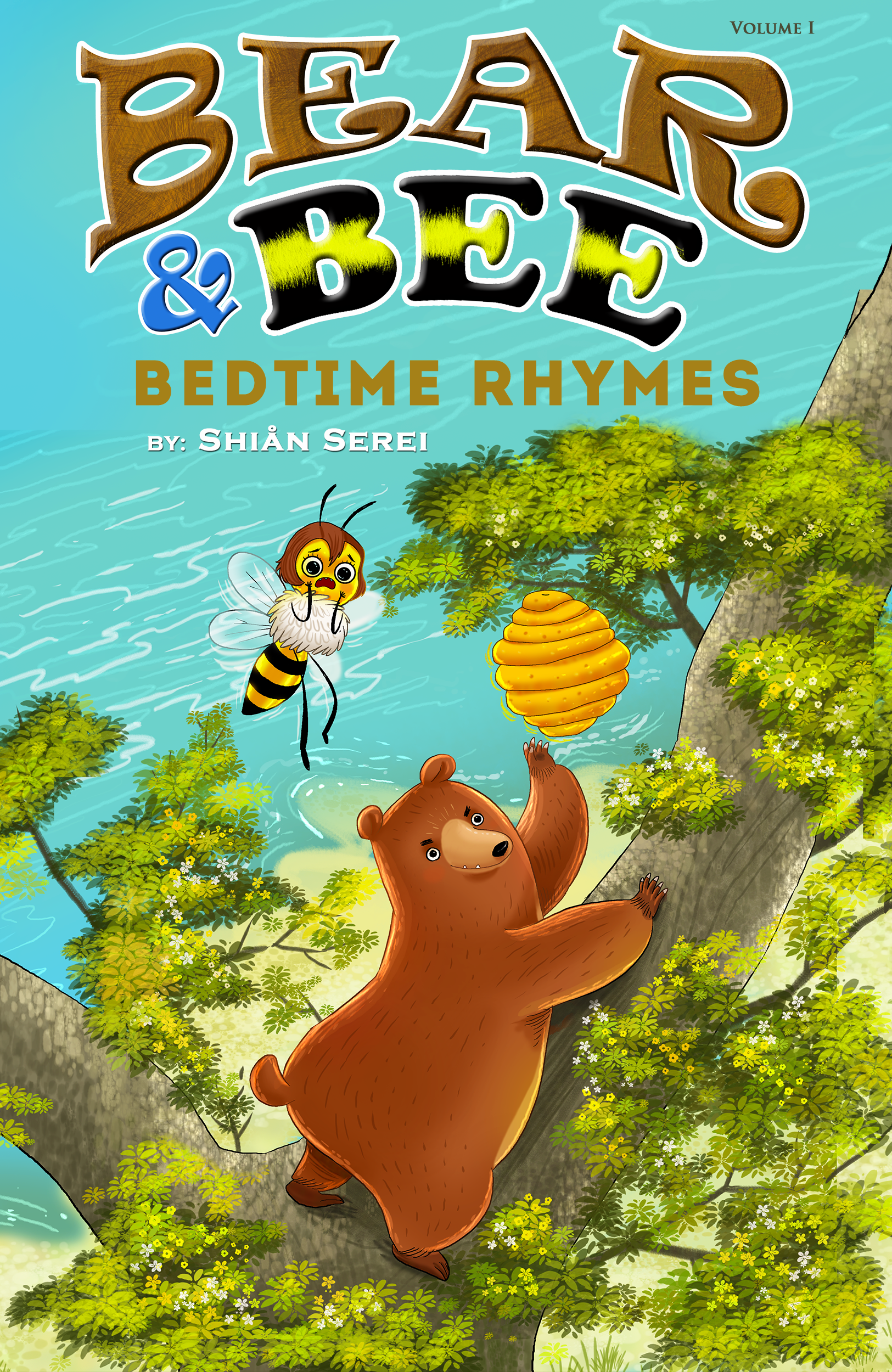
Bear & Bee Bedtime Rhymes — an interactive bedtime experience for phone, tablet, or print:
- A gentle story about the Bear and the Bee
- Simple rhymes that guide emotional wind-down
- Light games for children who need a little engagement before sleep
- Soft music designed to transition energy toward rest
The day doesn’t end when the activity stops—it ends when the story gently begins.
More Activities for Children Ages 2–8
- 🌿 Nature Scavenger Hunt for Kids — outdoor exploration and curiosity
- 🏠 Blanket Fort Building — indoor imaginative play
- 🍓 Easy Cooking Activities for Kids — simple kitchen fun
- 🏃 Backyard Obstacle Course — active outdoor play
- 🎨 Rock Painting for Kids — creative outdoor art