How to Build a Blanket Fort with KidsA cozy indoor adventure for the whole family
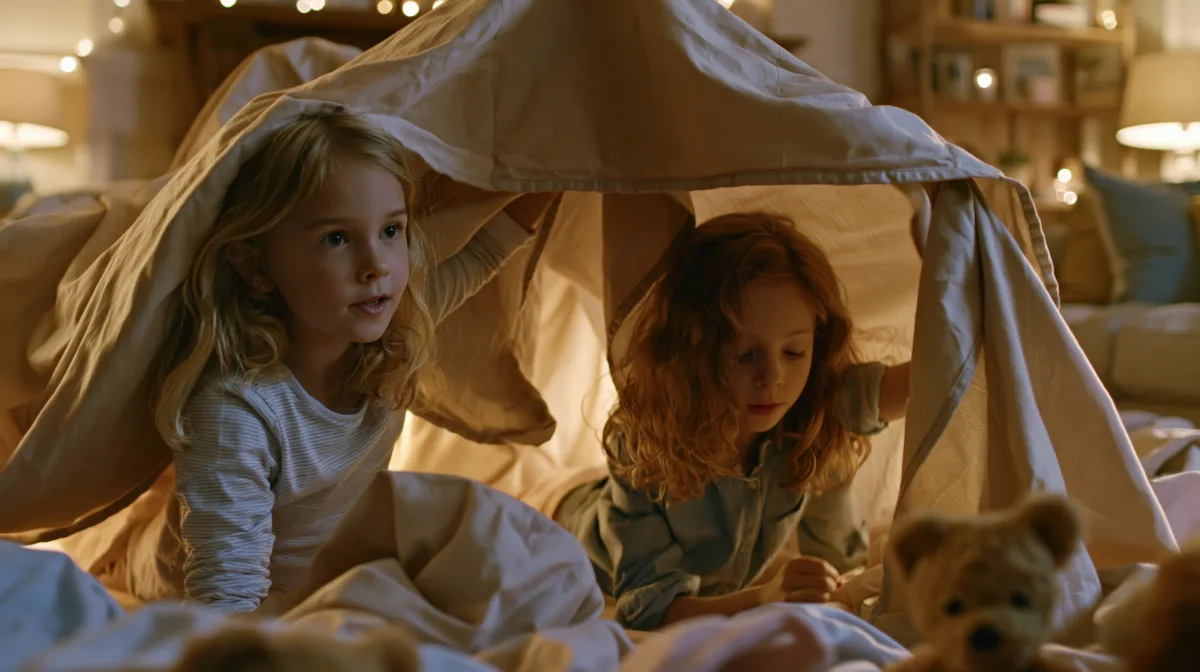
Rainy afternoons, chilly evenings, or quiet weekends are the perfect excuse to build a blanket fort. With a few blankets, some pillows, and a little imagination, an ordinary living room can become a castle, pirate ship, secret cave, or spaceship ready for adventure.
For children ages 2 to 8, building a fort is more than just playtime. It encourages creativity, teamwork, problem-solving, and imaginative thinking while creating a cozy space where stories come to life. The best part? There are no rules. Every fort is unique because every child imagines it differently.
Plan Ahead
You Will Need
- 3–5 blankets or bed sheets
- Dining chairs, a couch, or a sturdy table
- Pillows and cushions
- Clothespins or large binder clips (optional)
- Flashlights or battery-powered lanterns
- Stuffed animals and favourite books
- A small snack and drinks
- Optional battery-powered string lights for extra magic
Safety Tip: Avoid placing heavy objects on top of the fort, and never use hot lamps or candles inside. Battery-powered lights are always the safest choice.
Step 1: Pick the Perfect Spot
Choose a room with enough space to spread out. The living room often works best because couches and chairs provide a sturdy framework. Invite your child to help decide where the fort should go—letting them make choices gives them ownership of the project and builds confidence.
Step 2: Build the Fort Together
Arrange chairs or use the edge of a couch as your foundation. Drape blankets over the top, creating walls and a roof. Use clothespins or binder clips if needed, and tuck pillows around the edges. Don’t worry if the blankets slide the first few times—figuring out how to keep everything standing is part of the fun.
Step 3: Decorate Your Secret Hideout
Fill the fort with favourite stuffed animals, soft blankets, flashlights, battery-powered fairy lights, and a cozy rug. Ask your child what their fort should become. Maybe it’s a pirate ship. Maybe it’s a dragon’s cave. Perhaps it’s a castle hidden deep in an enchanted forest. Their answer often becomes the beginning of an unforgettable story.
Step 4: Create Your Adventure
Inside the fort, try reading favourite books, making up stories, shadow puppet shows with a flashlight, stuffed animal tea parties, pretend camping, drawing pictures, or simply listening to calming music together. Children often open up and share their biggest ideas when tucked away in their own little world.
Fun Themed Forts to Try
- Space Station — explore distant planets as astronauts
- Pirate Ship — search for hidden treasure around the house
- Fairy Castle — invite magical creatures to visit your kingdom
- Dinosaur Cave — listen for giant footsteps outside your hideout
- Jungle Explorer Base Camp — search for imaginary animals with binoculars
Easy Blanket Fort Snack: Teddy Bear Trail Mix
Every adventure deserves a treat. Let your child scoop a little of each into their own bowl and stir together:
- Whole-grain cereal
- Mini pretzels
- Raisins or dried cranberries
- Cheese crackers
- Yogurt-covered raisins (optional)
What Children Learn While Building a Blanket Fort
Blanket forts are packed with opportunities for learning: creative thinking, problem-solving, basic engineering through simple construction, fine motor skills, communication and teamwork, storytelling, imaginative play, and confidence through creating something themselves. Most importantly, children learn that wonderful adventures don’t require expensive toys—just imagination and someone to share it with.
Make It a Fort Tradition
Many families find that blanket forts become a favourite tradition. Try building one for rainy afternoons, Friday family nights, snow days, movie nights, or holiday weekends. Children love traditions because they create happy memories they can look forward to again and again.
Frequently Asked Questions
How do you build a blanket fort that stays up?
The most reliable method is to drape blankets or bed sheets over sturdy dining chairs or the edge of a couch, which act as a natural frame. Use clothespins or large binder clips to secure corners and edges where blankets meet. Tuck pillows around the base to seal the sides and hold everything in place. Don't worry if it takes a few tries — figuring out how to keep it standing is part of the fun.
What can you do inside a blanket fort with kids?
A blanket fort becomes whatever your child imagines it to be. Try reading favourite books by flashlight, making up stories together, putting on a shadow puppet show, having a stuffed animal tea party, pretend camping, drawing pictures, or simply talking and listening to calming music. Children often share their biggest ideas when tucked away in their own little world.
What age is blanket fort building good for?
Blanket forts are enjoyed by children from age 2 all the way through primary school and beyond. Toddlers love the cozy, den-like feeling and enjoy being carried inside. Children aged 4–6 start contributing ideas and love decorating with lights and toys. Children aged 7–8 often want to lead the entire build themselves and create elaborate themed interiors.
What materials do I need to build a blanket fort?
You only need items most families already have: 3–5 blankets or bed sheets, dining chairs or a couch as a frame, pillows and cushions for comfort, clothespins or binder clips to hold blankets in place, and flashlights for lighting. Battery-powered string lights add a magical touch. Never use hot lamps or candles inside a fort.
Why is building a blanket fort good for child development?
Fort building develops creative thinking, basic engineering and problem-solving, fine motor skills through arranging blankets and clips, communication and teamwork, storytelling and imaginative play, and confidence through creating something independently. Most importantly, it gives children a space that feels entirely their own — and that sense of ownership is powerful for early development.
🌙 Keep the Adventure Going
After a day of exploring together, children often still have a little energy left—but their minds are full of stories. This is the perfect moment to shift from activity to calm connection.
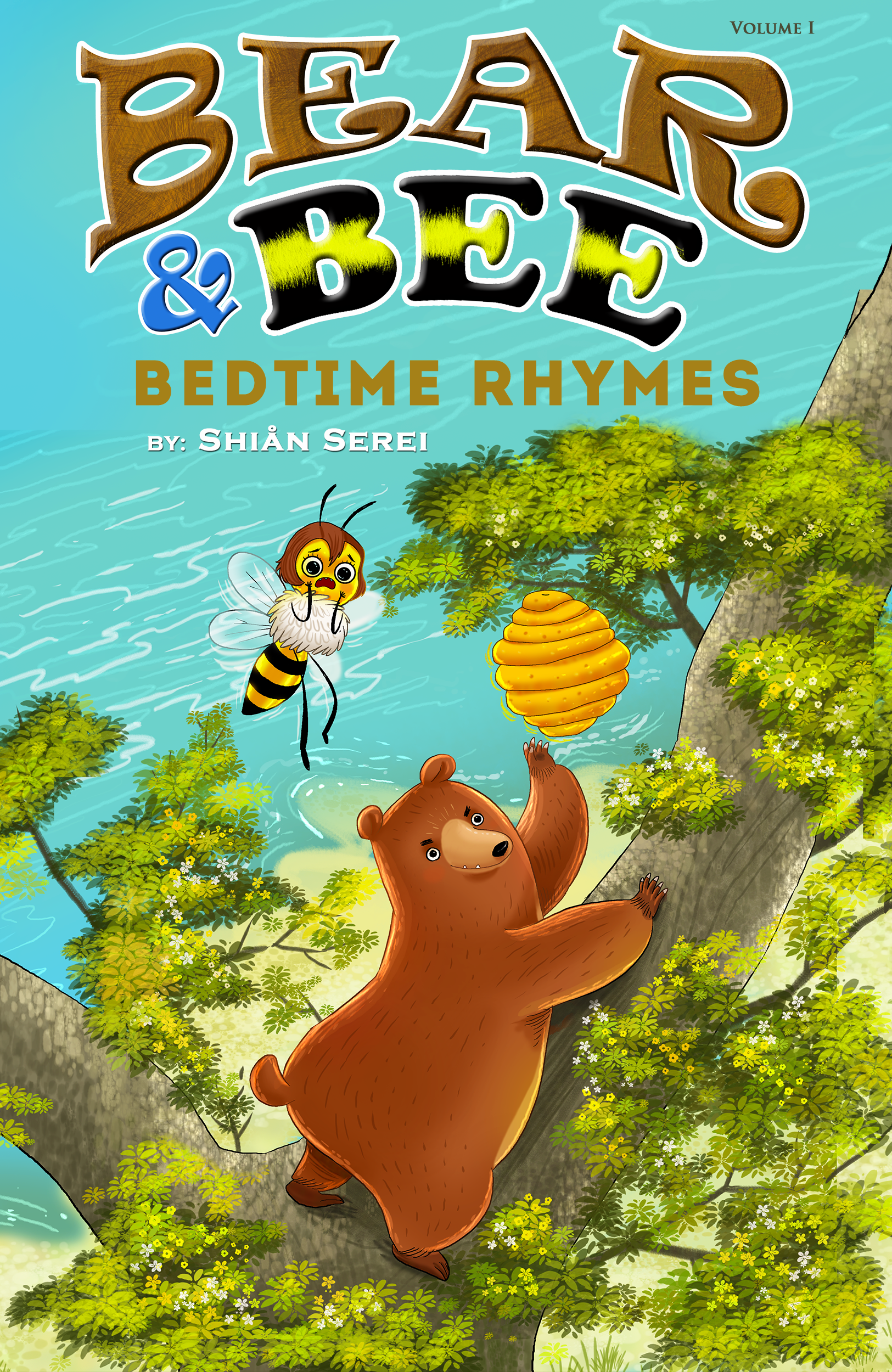
Bear & Bee Bedtime Rhymes — an interactive bedtime experience for phone, tablet, or print:
- A gentle story about the Bear and the Bee
- Simple rhymes that guide emotional wind-down
- Light games for children who need a little engagement before sleep
- Soft music designed to transition energy toward rest
The day doesn’t end when the activity stops—it ends when the story gently begins.
More Activities for Children Ages 2–8
- 🌿 Nature Scavenger Hunt for Kids — outdoor exploration and curiosity
- 🏠 Blanket Fort Building — indoor imaginative play
- 🍓 Easy Cooking Activities for Kids — simple kitchen fun
- 🏃 Backyard Obstacle Course — active outdoor play
- 🎨 Rock Painting for Kids — creative outdoor art