Rock Painting for KidsCreative outdoor craft ideas that encourage imagination

Rock painting is one of those simple activities that feels almost magical to children. A plain stone becomes a canvas for color, imagination, and storytelling. For children ages 2 to 8, it’s a perfect mix of creativity, sensory play, and outdoor exploration.
It also works beautifully for families because there’s no right or wrong way to do it. Every painted rock is unique, and every child’s idea is valid. Whether you’re in your backyard, at a park, or sitting around a table at home, rock painting turns quiet moments into meaningful creative time.
Plan Ahead
You Will Need
- Smooth, clean rocks or pebbles
- Non-toxic acrylic paints or washable paints
- Paintbrushes of different sizes
- Cups of water for rinsing brushes
- Paper towels or cloth rags
- A covered table or newspaper to protect surfaces
- Paint palettes or small plates for mixing colors
- Optional: paint pens or markers for detail work
- Optional: clear sealant for outdoor display
Safety Tip: Always use child-safe, non-toxic materials and supervise younger children closely.
Step 1: Find Your Perfect Rocks
If possible, start the adventure outdoors. Take a walk together and collect smooth, flat stones. Children love this part because it feels like a treasure hunt before the creativity even begins. Encourage your child to notice shapes, sizes, textures, and colors. Some rocks may already look like animals, faces, or imaginary creatures before you even paint them.
Step 2: Clean and Prepare
Wash rocks with water and let them dry completely. This helps paint stick better and gives children a sense of preparation before the creative process begins. Lay out all materials and invite your child to explore the colors. Let them choose their own palette instead of directing too much—their imagination will often surprise you.
Step 3: Start Painting
There is no correct way to paint a rock. Children may cover the entire rock in one color, make patterns and stripes, create faces or animals, or paint simple shapes like hearts, stars, or circles. Younger children may prefer finger painting while older children experiment with brushes and detail. Encourage creativity rather than precision. A messy painting often becomes the most memorable one.
Step 4: Let Imagination Take Over
Once the base colors dry slightly, invite your child to turn their rock into something special. Ask: What does this rock look like to you? Is it a friendly monster or a sleepy animal? Where does it live? What is its name? This storytelling element is where rock painting becomes more than art—it becomes narrative play.
Creative Rock Painting Ideas
- Animal Rocks — ladybugs, cats, frogs, or dinosaurs
- Emotion Rocks — happy, sad, surprised faces to help children learn feelings
- Story Stones — paint different characters to use for bedtime storytelling
- Nature Patterns — greens, blues, and browns to create landscapes or skies
- Glow-In-The-Dark Rocks — special paint for nighttime garden surprises
Displaying Your Rocks
Once dry, painted rocks can decorate windowsills, create a garden rock path, serve as paperweights, or be added to indoor play areas. Some families enjoy “kindness rocks”—leaving painted stones in public spaces for others to find. If you choose to do this, always follow local guidelines and respect the environment.
What Children Learn Through Rock Painting
Rock painting builds fine motor control, color recognition and mixing, creativity and artistic expression, patience and focus, sensory exploration, storytelling and imagination, and confidence in self-expression. It also gives children a calm, grounding activity that balances more active play.
After the Paints Are Away
Ask your child to tell a story about their painted rock. Who does it belong to? Where does it live? What adventures has it had? In many ways, a painted rock is like a tiny story waiting to be told—and every story begins best when shared.
Frequently Asked Questions
What paint is safe for kids to use on rocks?
Non-toxic acrylic paints or washable paints are the safest choices for children painting rocks. Always check that paints are labelled non-toxic and child-safe. Washable paints are ideal for younger children as they clean up easily from hands and clothing. For older children who want longer-lasting results, non-toxic acrylic paints work well and can be sealed with a clear child-safe varnish once dry.
What age can children start rock painting?
Children as young as 2 years old can enjoy rock painting with adult supervision. At this age, finger painting with washable paint on a smooth rock is perfect. Children aged 3–5 can use small brushes and enjoy covering rocks in bold colors. By ages 6–8, children are ready for detail work, patterns, storytelling rocks, and themed painting projects.
How do you seal painted rocks for outdoor display?
Once the paint is completely dry (usually after several hours or overnight), apply a light coat of clear acrylic sealant spray or brush-on clear varnish. This protects the paint from rain and sun. Always apply sealant outdoors or in a well-ventilated space, and only adults should handle sealant sprays around young children. Mod Podge is a popular child-safe brush-on option for indoor display rocks.
What are easy rock painting ideas for children?
Great beginner ideas include ladybugs (red oval with black dots), rainbow striped rocks, simple smiley faces, hearts and stars, caterpillars made from connected circles, and ocean scenes in blue and green. Slightly older children enjoy painting animals, creating emotion rocks showing different feelings, designing nature patterns, or making story stones with different characters to use in bedtime storytelling.
What does rock painting teach children?
Rock painting builds fine motor control through brush handling, color recognition and mixing, creative and artistic expression, patience and focus, sensory exploration, storytelling and imagination through story stones, and confidence in self-expression. It also provides a calming, grounding activity that balances more active play and encourages children to slow down and concentrate.
🌙 Keep the Adventure Going
After a day of exploring together, children often still have a little energy left—but their minds are full of stories. This is the perfect moment to shift from activity to calm connection.
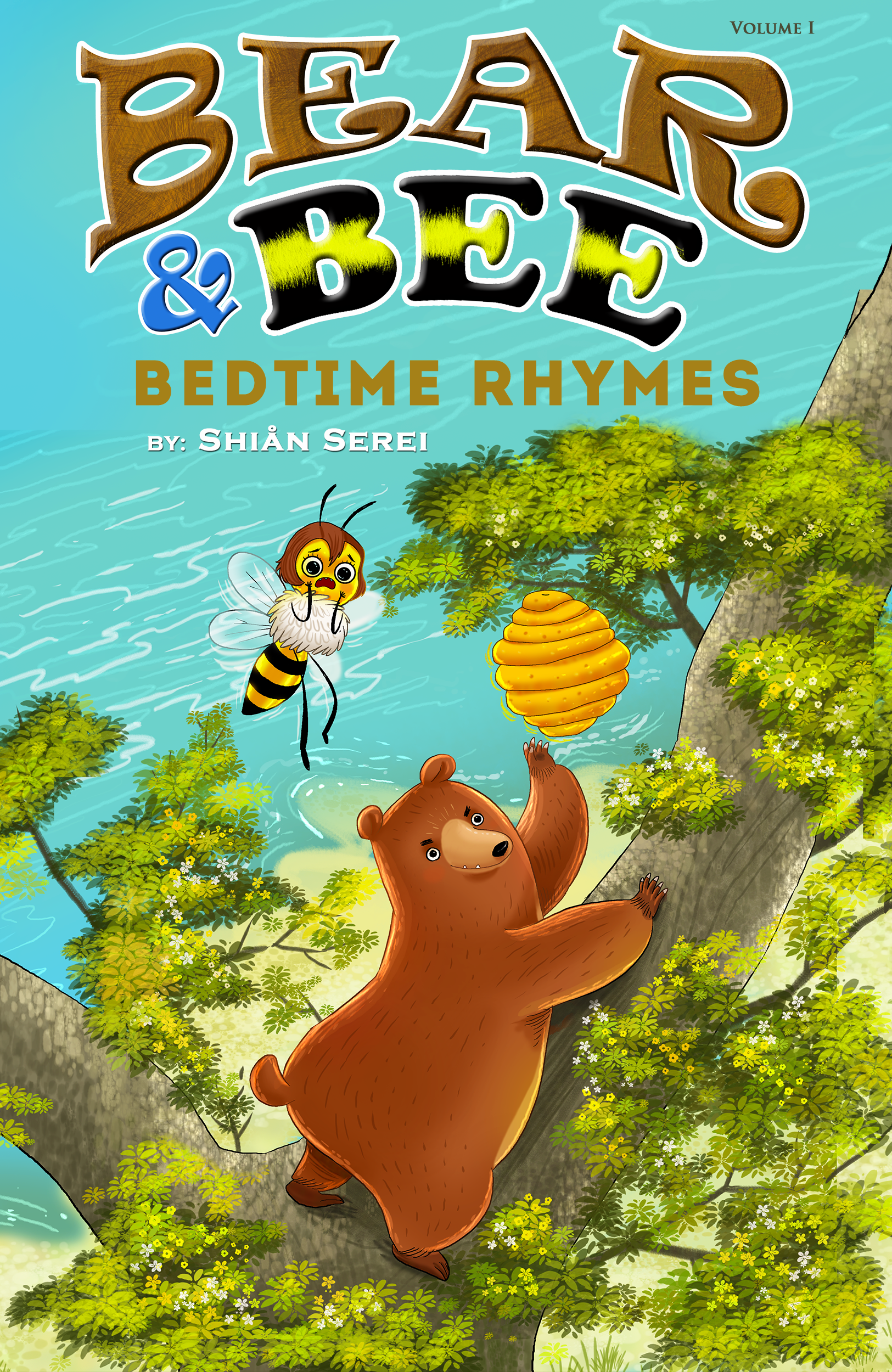
Bear & Bee Bedtime Rhymes — an interactive bedtime experience for phone, tablet, or print:
- A gentle story about the Bear and the Bee
- Simple rhymes that guide emotional wind-down
- Light games for children who need a little engagement before sleep
- Soft music designed to transition energy toward rest
The day doesn’t end when the activity stops—it ends when the story gently begins.
More Activities for Children Ages 2–8
- 🌿 Nature Scavenger Hunt for Kids — outdoor exploration and curiosity
- 🏠 Blanket Fort Building — indoor imaginative play
- 🍓 Easy Cooking Activities for Kids — simple kitchen fun
- 🏃 Backyard Obstacle Course — active outdoor play
- 🎨 Rock Painting for Kids — creative outdoor art